
Read The Fabricator’s article featuring PEP’s advanced automation and intelligence!
Read The Fabricator’s article featuring PEP’s advanced automation and intelligence!
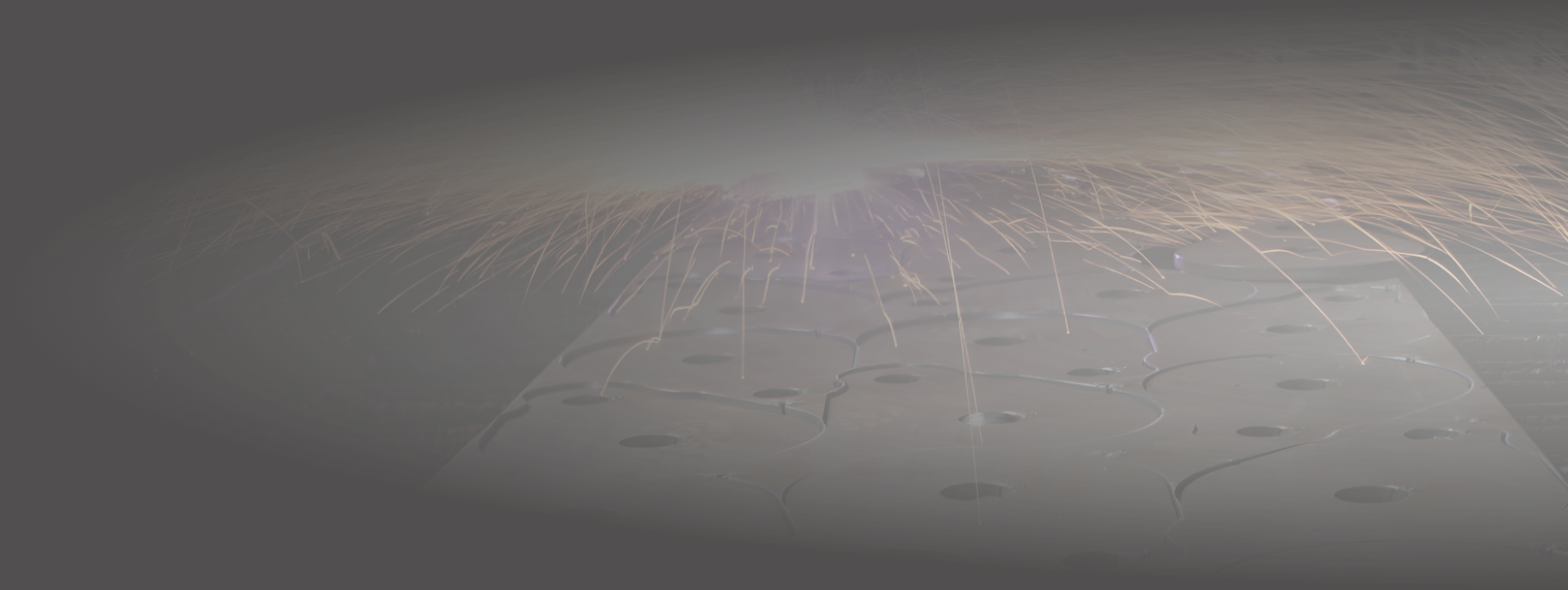

Metal collides with metal at full speed when your laser head strikes a tipped-up part. The machine ceases operation, production halts and the resulting costs include emergency repairs, material waste and schedule delays.
Laser head crashes don’t have to be an accepted cost of running a cutting operation. Automatic collision-avoidance nesting software prevents issues before they occur. Learn more about preventing laser head crashes in this guide.
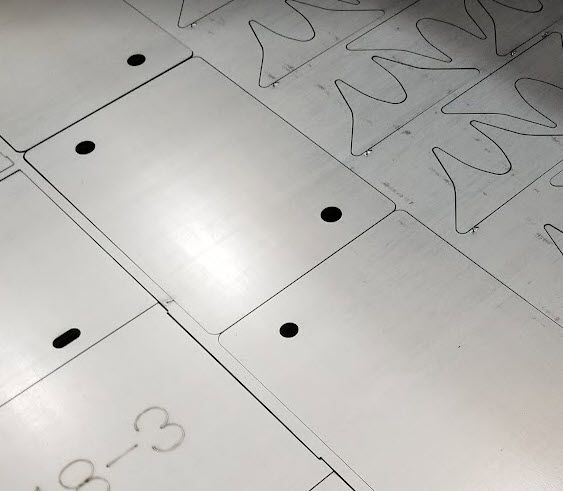
When a newly cut part is smaller than the distance between the supportive metal slats of the cutting bed, it has nowhere to rest securely. Instead of falling cleanly away, the part becomes unstable. One edge drops while the other pivots upward directly into the laser head’s travel path.
Modern fiber lasers can make this problem worse. The high-speed cutting process creates significant kinetic energy and turbulence, combined with high-pressure assist gas that can actively blow or flip an unstable part upward. The laser head travels at extremely high speeds just millimeters above the material, so even a minor tip-up can cause catastrophic damage to sensitive optics and mechanical components.
Inefficient toolpath planning creates several dangerous conditions on the shop floor:
A human programmer cannot mentally process the millions of potential combinations for a complex nest. This reliance on manual best guesses under pressure can lead to major inconsistencies from one job to the next.
The modern solution is automation. It’s a powerful tool that makes them more effective at preventing laser head crashes and improving collision detection.
Intelligent nesting software digitally analyzes the precise geometry, size and weight distribution of every single part in a job. It identifies which parts are at risk of tipping and flags them before the nest is created.
The algorithm strategically places these unstable parts in the most secure locations on the cutting bed, using advanced techniques like column nesting to create tightly packed, interlocking groups. The primary goal of this automatic nesting software is to ensure no part is ever left stranded and unsupported on the cutting slats.
PEP Technology’s CPT is a proactive machine-safety crash-protection CAM system that builds safety directly into the cutting plan. Rather than reacting to crashes after they happen, CPT eliminates the conditions that cause them through three core capabilities:

Moving beyond just preventing a negative, the positive business outcomes of eliminating crashes are substantial, as there is a financial upside to laser cutting crash protection and nesting.
The financial impact of unplanned downtime extends far beyond immediate repair costs:
In many shops, the true bottleneck is the time it takes for the engineering department to program jobs and generate quotes. By automating the most complex parts of programming, the right software acts as a powerful force multiplier for your team. With features like automated CAD-to-CAM conversion, even imperfect drawings can be cleaned up and made production-ready in seconds, compressing your entire quote-to-cut timeline.
The following three-step framework shows you how to adopt this solution in your own shop.
Before you can evaluate the return on investment of a new solution, you need an honest understanding of your current problem. The goal is to establish a hard-numbers baseline for the actual cost of crashes to your business.
For a set period, such as one month, create a simple log to track every instance of unplanned machine downtime. Record the date, duration, direct cause and cost of repairs or replacement parts. At the end of the tracking period, calculate your total cost of inaction by multiplying downtime hours by your shop’s hourly operating cost, then adding direct repair expenses.
With your baseline cost established, the next step is to find a technology partner. A successful integration delivers three critical outcomes:
The best software is only effective if your team uses it to its full potential. Invest in training that helps your operators and programmers transition from manual control to a technology-assisted workflow. The goal is to build trust in the software’s output by demonstrating that automated nests are consistently safer and more efficient than manual attempts.

PEP Technology has spent over 40 years building automated nesting software with intelligent Crash Protection Technology designed to eliminate the conditions that cause collisions before they happen.
Our team works alongside yours to deliver a clear return on investment and to integrate a solution that fits your operation. Contact us today and see what a truly crash-free shop floor looks like.